


Smoke Alarm Safety:
The importance of smoke alarms
Smoke alarms are the single most important piece of safety equipment in your home.
They cost very little, take seconds to test, and save lives every year across Australia. Yet most house fire fatalities still occur in properties where alarms are missing, faulty, or installed incorrectly.
At DC Smoke Services, we inspect thousands of properties each year. The patterns we see tell a clear story: smoke alarm safety is not just about having a device on the ceiling. It is about having the right device, in the right location, in proper working order.
 Don't compromise on your safety!
The reality of a house fire
Most people drastically underestimate how quickly a house fire develops. Around 50 Australians die in residential fires each year. The vast majority of these deaths occur in homes without working smoke alarms.
The numbers are confronting:
You have less than 3 minutes to escape.
A fire can double in size every 30 seconds. What starts as a flame the size of a candle can engulf an entire room within three minutes.
Modern homes burn faster, hotter, and produce far more toxic smoke than the homes of previous generations because of synthetic furnishings and open-plan layouts.
Around 2/3 of fire fatalities are caused by smoke inhalation, not burns.
Smoke kills more people than flames. Around two-thirds of fire fatalities are caused by smoke inhalation, not burns. The toxic gases produced by burning materials, particularly carbon monoxide and hydrogen cyanide, can render a person unconscious in just one to three breaths.
The majority of residential fire deaths occur between 10pm and 6am.
Most fatal house fires happen at night. The majority of residential fire deaths occur between 10pm and 6am, when occupants are asleep. Carbon monoxide does not wake you up. It deepens your sleep until you no longer wake at all.
How smoke alarms save lives
A working smoke alarm reduces your risk of dying in a house fire by more than half. It is one of the most effective safety interventions ever developed.
The reason is simple: a smoke alarm gives you back the time that modern fires have taken away.
It detects danger while you sleep and wakes you while there is still a window to escape. Without one, the fire reaches you before you ever realise it has started.
3/4 of residential fires in Australia occur in homes where...
smoke alarms are missing, expired, or have been disabled. That number alone tells you everything you need to know about why this matters.
How photoelectric smoke alarms work
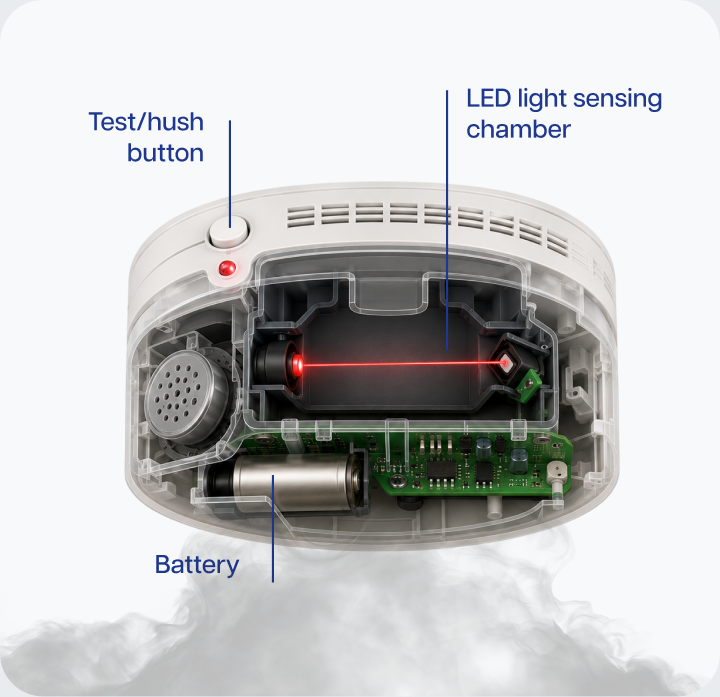
Most fatal residential fires begin as slow, smouldering events. These fires produce thick, visible smoke for many minutes before any flame appears, and that smoke is exactly what photoelectric alarms are designed to detect. They sound the alarm during the smoulder phase, often well before flames develop, giving occupants the maximum possible time to escape.
Inside the alarm sits a small sensing chamber containing an LED light beam and a separate light sensor positioned at an angle. In normal conditions, the beam shines straight across the chamber and never reaches the sensor. When smoke enters the chamber, the particles scatter the light, and some of that scattered light reaches the sensor. That triggers the alarm.
This is why every Australian state and territory now recommends or mandates photoelectric smoke alarms in residential properties.
Where smoke alarms should be installed
The right location is just as important as the right device. As a baseline, alarms should be installed:
- In every bedroom
- In hallways connecting bedrooms to the rest of the home
- On every storey of the dwelling, including basements
- Away from kitchens, bathrooms, and ceiling fans, which can cause nuisance alarms
- At least 30cm from walls and corners, where dead air can delay smoke detection
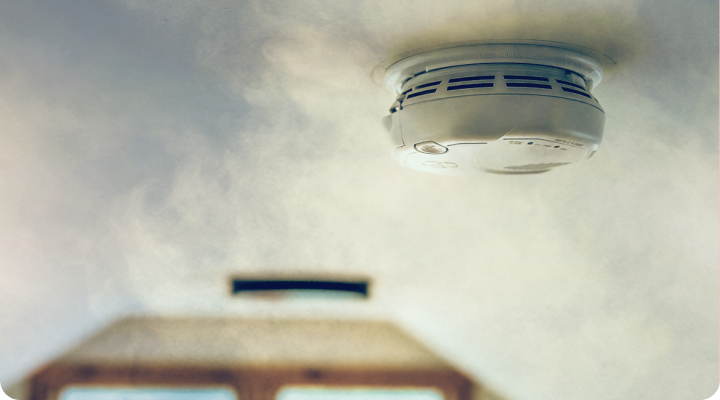
- Mounted on the ceiling wherever possible, since smoke rises. Wall-mounted alarms should sit between 30cm and 50cm below the ceiling.
In larger homes, interconnected alarms are now considered best practice and are mandatory in some states. When alarms are interconnected, smoke detected by any one alarm triggers every alarm in the house. This is critical when a fire starts on one level and the occupants are sleeping on another.
Testing and Maintenance
Smoke alarms only save lives if they work. A monthly test takes ten seconds and gives you confidence that your family is protected.
- Press and hold the test button until the alarm sounds
- If it does not sound, or sounds weakly, the alarm needs attention
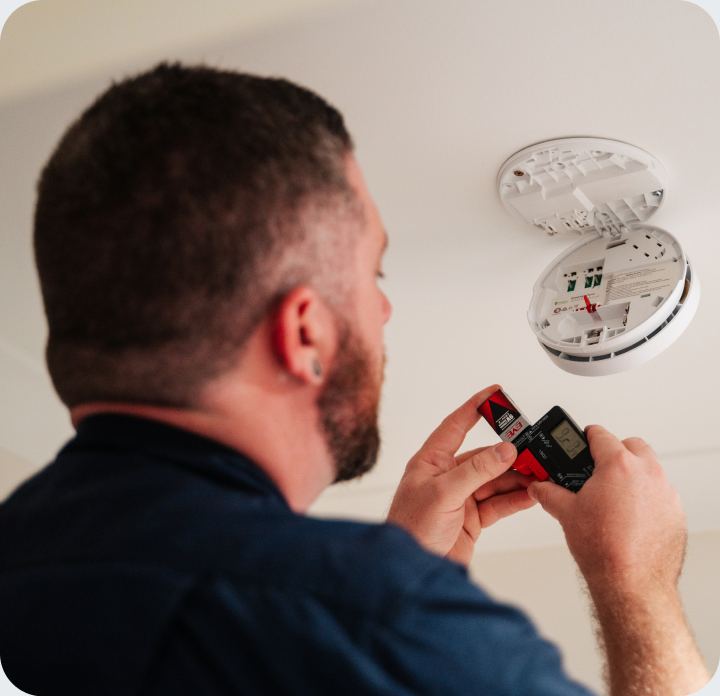
- Vacuum around the alarm every six months to clear dust and cobwebs that can interfere with the sensor
- Replace batteries annually unless your alarm has a sealed ten-year lithium battery
- Check the alarm expiry date on the back and replace every 10 years
Common Smoke Alarm Mistakes
Over years of property inspections, we see the same problems again and again.
- Disabled alarms are the most common: occupants pulling out batteries or removing the alarm
- Expired alarms: after ten years, the sensing element degrades
- Wrong location: too close to the kitchen and missing from bedrooms
- Mixing brands and incompatible systems: in homes where alarms have been added piecemeal over the years
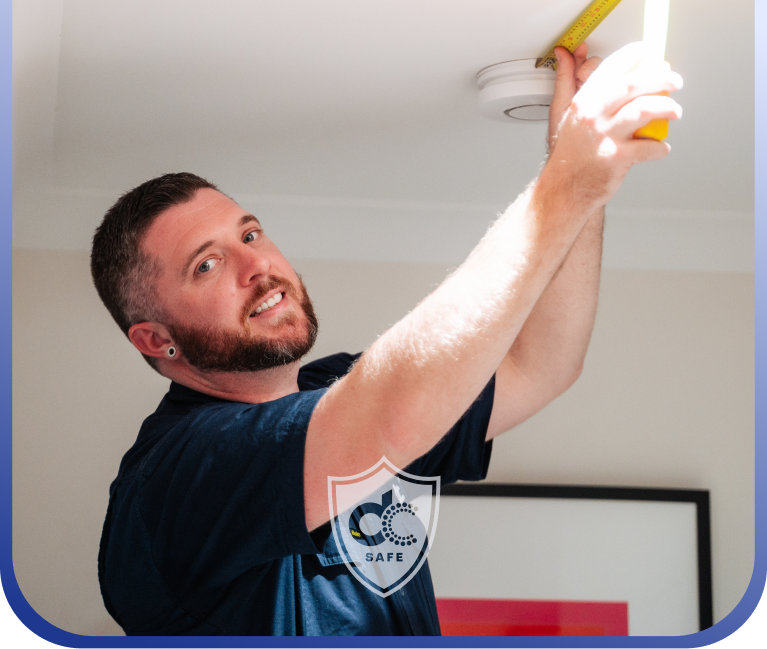
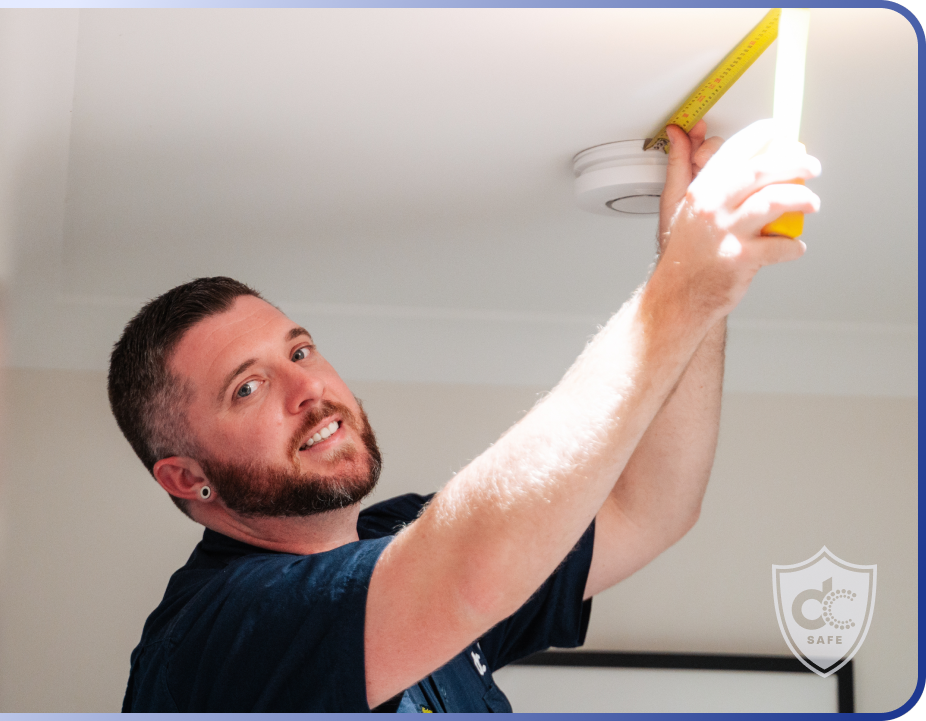
Professional installation you can rely on
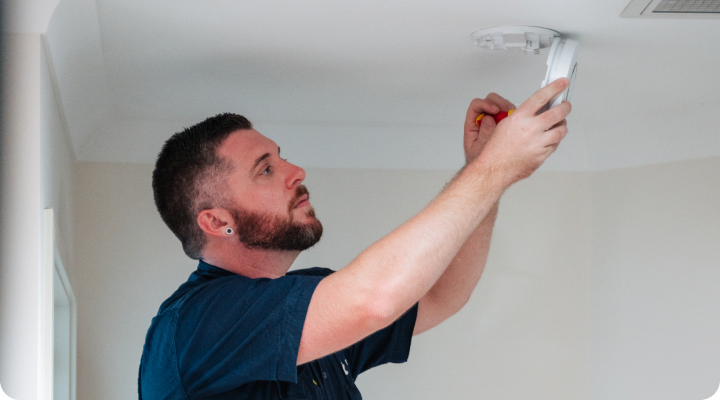
Getting the right alarms is only half the job. They also need to be installed correctly. Here are the top things to look for in a reliable installation:
- Positioned properly
- Fully set up and working together where required
- Tested before we leave
- Installed cleanly with minimal disruption
Why choose us?
Experienced installers
We install systems designed to properly protect your home.
Tailored advice
No two homes are the same. We recommend what works best for yours.
Simple, stress-free process
We handle everything from start to finish.

How DC Smoke Services can help
DC Smoke Services is one of Australia's most trusted names in residential smoke alarm compliance. Our technicians are trained specifically in Australian fire legislation, alarm technology, and the installation standards that determine whether a system actually works when it has to. We operate nationwide, with deep specialisation in rental properties and property management portfolios.
We help homeowners, landlords, and property managers install smoke alarm systems that deliver real protection when it matters most.

