

Safety risk
This is the one that matters most. Non-compliant alarms don't give occupants the same warning time in a fire, and that gap doesn't close itself. It stays open until the alarms are actually upgraded.


Protect what matters most
Every home in Queensland, whether it's owner-occupied, tenanted, a house or a unit, must have compliant smoke alarms installed. This isn't a new rule appearing out of nowhere. It's the final stage of a rollout that's been in progress since 2017, and the deadline is closer than most people think.
 Don't compromise on your safety!
What the legislation requires
Queensland's smoke alarm legislation (under the Fire and Emergency Services Act 1990, referencing Australian Standard AS 3786:2014) sets out four requirements. To be compliant, alarms must be:
01
Photoelectric, and under 10 years old Photoelectric alarms detect smouldering fires faster and more reliably than older ionisation alarms. An expired alarm fails the standard even if it's still beeping and appears to work.
02
Fully interconnected When one alarm sounds, every alarm in the home sounds. This matters most for larger homes or homes with bedrooms far from where a fire starts. A single alarm going off in the kitchen needs to wake someone asleep at the other end of the house.
03
Hardwired or fitted with a 10-year sealed lithium battery No removable batteries. This closes the gap where alarms get disconnected or left without power because a battery went flat and wasn't replaced.
04
Installed in every bedroom, in hallways connecting bedrooms, and on every storey Not just one alarm near the front door. Coverage has to reach every sleeping area.
Since 2022, these requirements have already applied to every home being sold or leased. From 1 January 2027, they apply to every home in the state, regardless of whether it's changing hands.
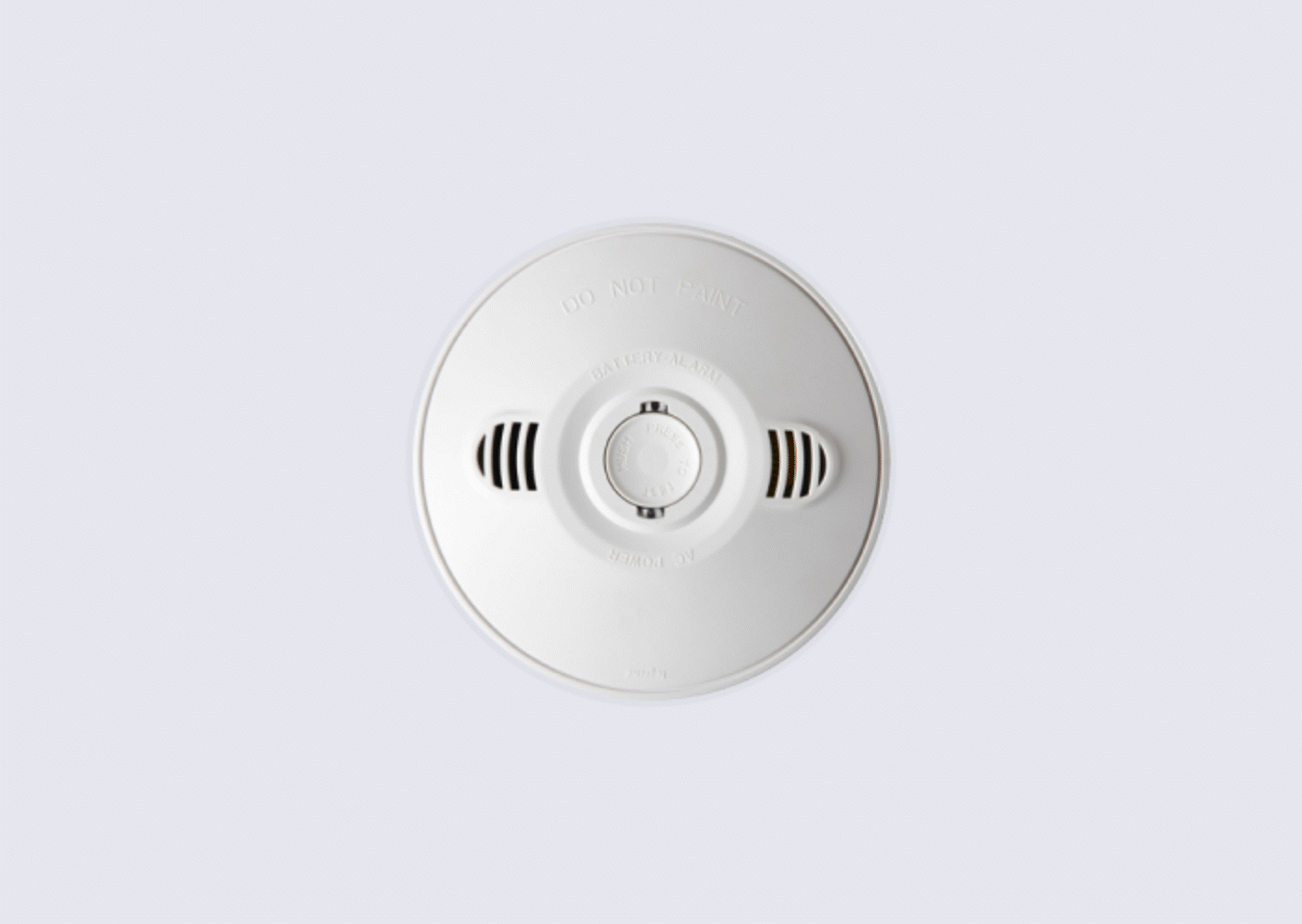
Queensland has had some of the highest house fire fatality rates in Australia, and in the overwhelming majority of fatal house fires, working smoke alarms weren't present or weren't interconnected. A single alarm in a hallway does little good if the bedroom door is closed and the occupant is asleep. Interconnection and photoelectric technology were introduced because they directly address the two biggest failure points: alarms not being heard in time, and older alarm technology being slower to detect smouldering fires (which cause the majority of fire deaths, as opposed to fast flaming fires).
The staged rollout (2017 for new builds, 2022 for the sale or lease of a home, 2027 for every home) was designed to spread the cost and workload over a decade rather than force a sudden changeover. That decade is now almost up.
Time is running out to avoid the rush. Every home in Queensland is working to the same deadline. As 2027 gets closer, demand for qualified installers will climb, and the homes still on the "to do" list will be competing for the same booking slots. Upgrading now means it happens on your schedule, not whenever an installer can fit you in.
This is the one that matters most. Non-compliant alarms don't give occupants the same warning time in a fire, and that gap doesn't close itself. It stays open until the alarms are actually upgraded.
If a fire occurs in a non-compliant home, insurers can and do ask whether the property met its legal safety obligations at the time of loss. A claim can be delayed, disputed, or reduced on the basis that the legislation wasn't complied with. Compliance is one less thing standing between you and a paid-out claim.
Once the deadline passes, a non-compliant home is in breach of the legislation, regardless of who lives in it. If anyone is harmed in a fire at a non-compliant property, whether it's owner-occupied or tenanted, the question of whether that legal obligation was met will be front and centre.

Upgrading doesn't need to be something you have to plan, coordinate, and manage yourself. DC Smoke Services handles the entire process for you, from assessing what your property needs, through to installation and providing your compliance certificate, so you can cross it off the list without becoming an expert in the legislation yourself.
We help homeowners, landlords, and property managers install smoke alarm systems that deliver real protection when it matters most.

